
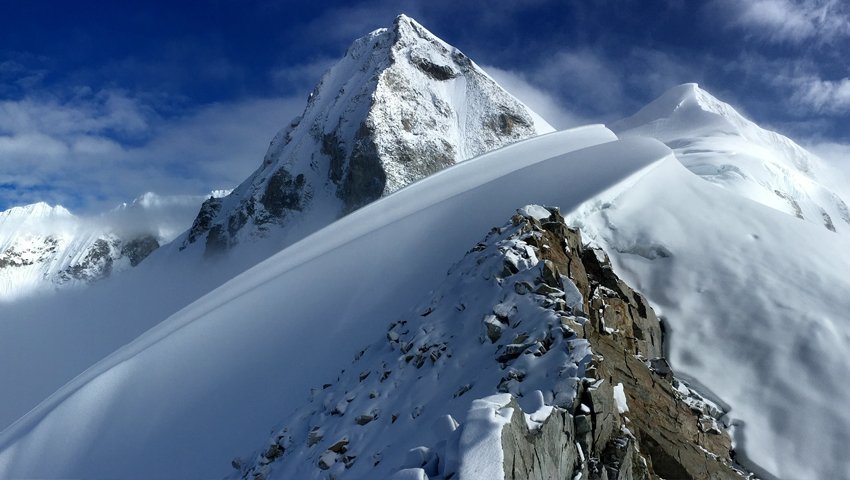
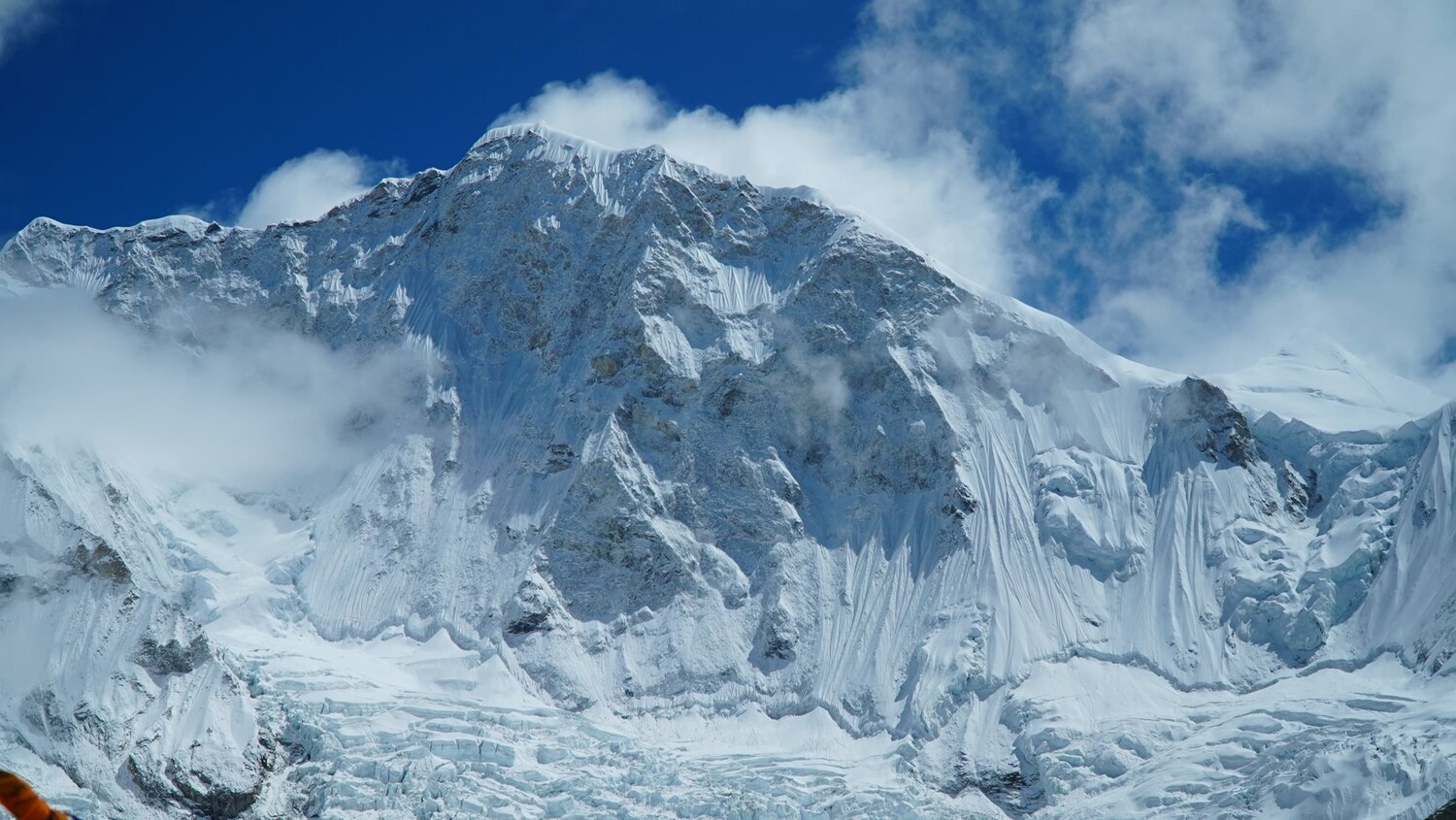
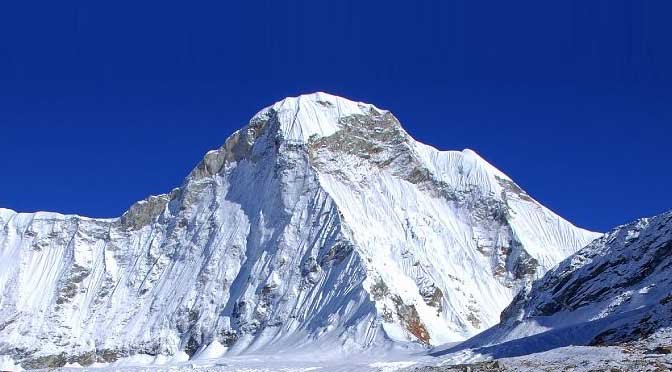
The Mount Baruntse Expedition (7,129m) is one of Nepal’s most rewarding and scenic climbing adventures, located in the Makalu Barun National Park, bordering Sagarmatha National Park to the west. Situated between Mount Everest and Mount Makalu, Baruntse offers a perfect blend of challenge, beauty, and tranquility for climbers seeking a 7000-meter peak experience.
This magnificent mountain is surrounded by the Barun Glacier to the east, Hunku Glacier to the south, and Imja Glacier to the northwest, offering stunning views throughout the ascent. The first successful climb was made in 1954 by Colin Todd and Geoff Harrow, members of a New Zealand expedition team led by the legendary Sir Edmund Hillary.
For mountaineers who have already conquered 6000-meter peaks, Baruntse is the ideal next step to advance their high-altitude climbing skills. The expedition includes Base Camp (5400m), Camp I (6100m), and Camp II (6400m) before the summit, with well-planned acclimatization days to ensure safety and success.
Reaching the summit of Baruntse rewards climbers with breathtaking panoramic views of the world’s five highest mountains — Everest (8,848.86m), Lhotse (8,516m), Cho Oyu (8,200m), Makalu (8,463m), and Kanchenjunga (8,586m) — along with countless surrounding peaks.
Our professional, government-licensed climbing guides, each with decades of Himalayan experience, ensure that your Baruntse expedition is safe, well-organized, and memorable. From logistics to acclimatization, our team takes care of every detail so you can focus on achieving your summit dream.
Join our Mount Baruntse Expedition — a perfect journey for ambitious climbers looking to step into the world of 7000-meter Himalayan peaks while experiencing the raw beauty and peaceful wilderness of eastern Nepal.
Trip Info
-
Hotel/Tea houses.
-
Autumn - Spring
-
7129 M
-
Fly/Car/Jeep/ Bus
-
5/6 hours
Overview
Baruntse Peak Climbing is a remarkable adventure in the Khumbu region of eastern Nepal, known for its breathtaking scenery and challenging yet rewarding ascent. The mountain is crowned by four stunning peaks and is beautifully surrounded by glaciers — the Hunku Glacier to the south, the Barun Glacier to the east, and the Imja Glacier to the northwest.
Located between Mount Everest and Mount Makalu, Baruntse offers climbers an extraordinary Himalayan experience with panoramic views and a true sense of wilderness.
Trip Highlights
- A scenic flight in and out to Lukla.
- Beautiful Hinko Valley.
- Stunning view from the Mera Peak summit.
- Sherpa culture and tradition.
- Great experience of the Himalayan wilderness adventure.
- Stunning view from the summit of Baruntse.
- Lakes, rivers, and glaciers.
- Khumbu Valley and Sherpa capital Namche Bazaar.
Itinerary
Upon arrival at Tribhuvan International Airport, our representative will warmly welcome you and assist with your transfer to the hotel. After check-in, you can relax and recover from your journey or take a short walk around Thamel, Kathmandu’s lively tourist hub. In the evening, you’ll meet your guide for a briefing about the Baruntse Peak Climbing expedition, including equipment checks and preparation for the days ahead. Dinner and overnight stay at the hotel.
Today is a rest and preparation day in Kathmandu. After breakfast, attend a detailed expedition briefing conducted by your climbing leader and the support team, covering essential information about the Baruntse Peak route, safety measures, and climbing techniques. You’ll also have time to check your climbing gear and make any last-minute purchases in Thamel’s well-equipped mountaineering shops. Later, enjoy exploring Kathmandu’s cultural heritage sites or simply relax at your hotel before the adventure begins. Overnight stay in Kathmandu.
Early morning, take a scenic flight to Lukla, the gateway to the Everest region, offering spectacular views of the Himalayan range. Upon arrival at Lukla airstrip, meet the trekking crew and begin your first day on the trail. The trek starts with a gradual ascent through lush forests of rhododendron and pine, passing small Sherpa settlements along the way. After a few hours of trekking, you’ll reach Chutanga (3,050m) — a peaceful spot surrounded by green hills and fresh mountain air. Spend the evening resting and acclimatizing. Overnight stay at a lodge in Chutanga.
Today’s trek is both challenging and rewarding, as you cross the high Zatrawa La Pass (4,610m). After an early breakfast, begin a steep ascent through rocky terrain and alpine vegetation, gradually gaining altitude. As you approach the top of the pass, enjoy breathtaking views of Numbur Himal, Kongde Ri, and other peaks of the Khumbu region.
After spending some time at the pass to admire the scenery, descend carefully toward Tuli Kharka (4,100m), a beautiful meadow surrounded by hills and rhododendron forests. The trail can be steep in parts, so take your time and stay hydrated. Upon arrival, relax and enjoy the peaceful mountain environment.
Overnight stay at a lodge in Tuli Kharka.
After breakfast, begin your trek with a gradual descent through lush rhododendron and pine forests, following a scenic trail with occasional uphill stretches. Along the way, you’ll be rewarded with panoramic views of Mera Peak, Naulekh, and other stunning Himalayan peaks.
The path continues downhill toward the Hinku Valley, where the landscape transitions into dense forest and river valleys. After several hours of trekking, you’ll reach Kothe (3,700m), a charming settlement situated on the west bank of the Hinku River. This village serves as an ideal resting spot before continuing higher into the mountains.
Enjoy a warm meal, interact with the locals, and relax in the tranquil atmosphere of the valley.
Overnight stay at a lodge in Kothe.
After breakfast, follow the trail that gradually ascends along the Hinku River, passing through dense forests and beautiful alpine meadows. The route offers magnificent views of Mera Peak, Charpate Himal, and surrounding snow-capped ridges.
As you trek higher, the forest thins out, and the valley opens into a wide pastureland used by yak herders during the summer. After a steady walk of about 4 to 5 hours, you’ll arrive at Thangnak (4,350m) — a small yet picturesque settlement located beneath the towering cliffs and glaciers.
Spend the afternoon resting and acclimatizing to the higher altitude while enjoying the incredible mountain scenery.
Overnight stay at a lodge in Thangnak.
Today’s trek takes you higher into the alpine zone as you follow a gradual but steady ascent toward Khare, the last settlement before Mera Peak and Baruntse Base Camp. The trail winds along the Dig Glacier and passes through Sabai Tsho Lake, offering breathtaking views of Mera Peak, Charpate Himal, and the surrounding icy summits.
As you climb higher, the air becomes thinner, and the landscape turns into a rugged, glacial environment with spectacular panoramic scenery. After 4–5 hours of trekking, you’ll reach Khare (5,054m), also known as Mera Base Camp, where you can rest and acclimatize.
Spend the evening exploring the area or attending a short briefing with your guide about upcoming climbing preparations.
Overnight stay at a lodge in Khare.
Today is a rest and acclimatization day at Khare to help your body adjust to the higher altitude before ascending further. After breakfast, take a short hike to nearby ridges or viewpoints, which not only enhances acclimatization but also offers fantastic views of Mera Peak, Baruntse, and surrounding Himalayan giants.
Your climbing guide will also conduct a training session on the use of climbing equipment such as ropes, crampons, harnesses, and ice axes — ensuring you are well-prepared for the higher sections of the expedition.
Spend the rest of the day resting, hydrating, and mentally preparing for the upcoming challenges.
Overnight stay at a lodge in Khare.
After breakfast, leave Khare and begin your descent toward the Hinku Valley, following a trail that offers stunning views of Mera Peak and surrounding snow-covered mountains. The route gradually winds down through rocky terrain and alpine pastures, passing through small yak herder settlements along the way.
As you continue trekking, the landscape becomes greener and more pleasant, leading you to Khamedingma, a peaceful resting point nestled in the lower valley. This section of the journey provides an excellent opportunity to relax and enjoy the natural beauty of the remote Himalayas after days spent at higher altitudes.
Overnight stay at a tented camp in Khamedingma.
Today’s trek leads you deeper into the remote and rugged wilderness of the Upper Hinku Valley. After an early breakfast, begin your gradual ascent toward Seto Pokhari, also known as the White Lake. The trail follows a rocky and glacial path, offering dramatic views of Baruntse, Chamlang, and Peak 41 along the way.
As you climb higher, vegetation becomes sparse, replaced by striking glacial landscapes and serene alpine scenery. Seto Pokhari is the first of a series of high-altitude lakes in this isolated region and holds deep spiritual significance for local people.
Upon arrival, set up camp beside the shimmering lake and enjoy the peaceful Himalayan atmosphere under a starlit sky.
Overnight stay at a tented camp in Seto Pokhari (5,035m).
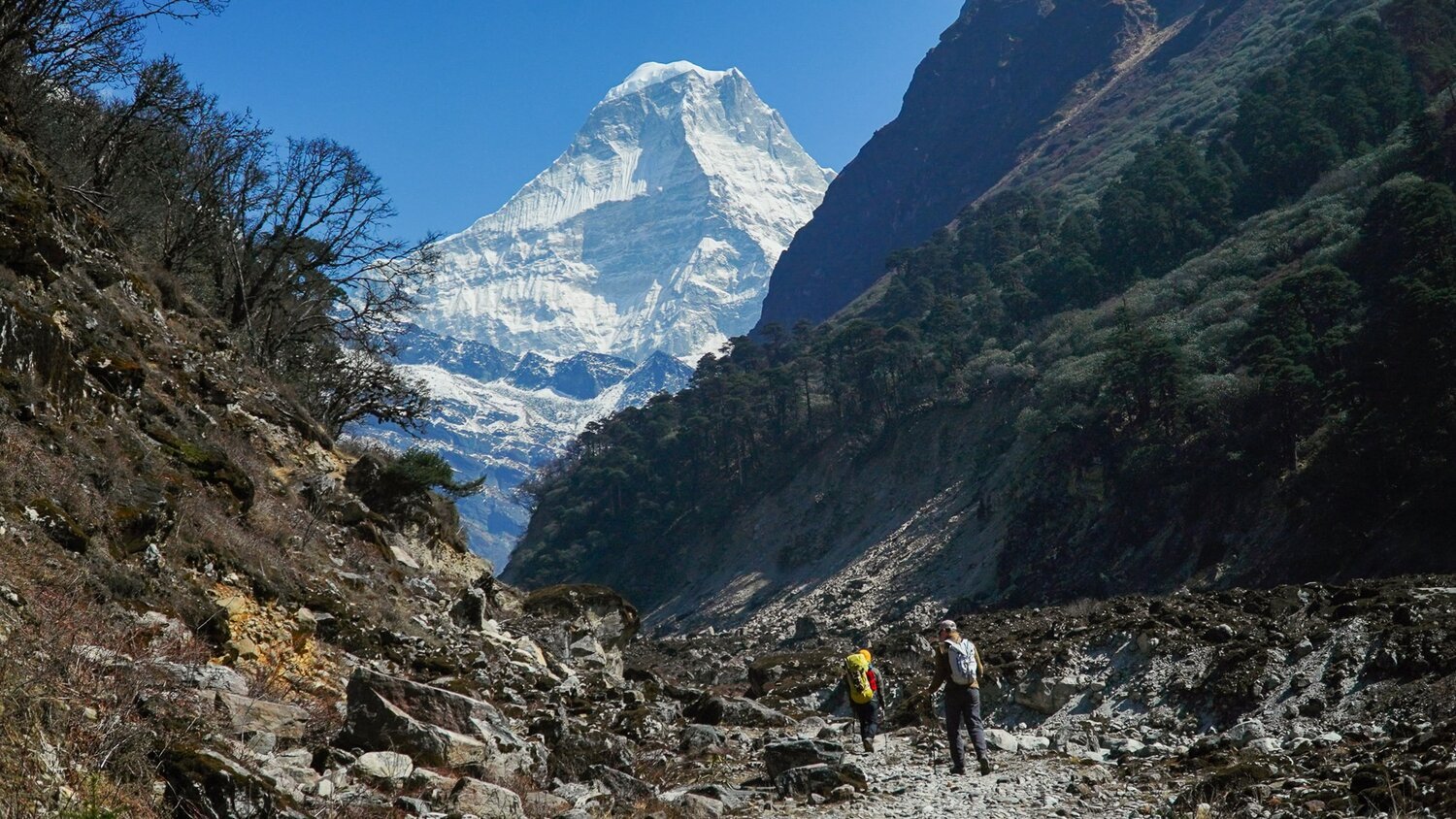
After breakfast, continue your trek toward Baruntse Base Camp, following a rugged and scenic trail through the remote upper Hinku Valley. The route ascends gradually over rocky moraines and glacial terrain, offering awe-inspiring views of Baruntse, Amphu Lapcha, Peak 41, and other surrounding Himalayan giants.
As you move closer, the mighty Baruntse Peak (7,129m) dominates the skyline, creating a breathtaking backdrop to your approach. The walk can be challenging due to high altitude and thin air, so it’s important to maintain a steady pace and stay hydrated.
Upon reaching Baruntse Base Camp (5,400m), you’ll set up your expedition camp. The base camp provides spectacular panoramic views of surrounding glaciers and peaks. Spend the evening relaxing, preparing climbing equipment, and attending a safety briefing from your climbing leader.
Overnight stay at a tented camp in Baruntse Base Camp.
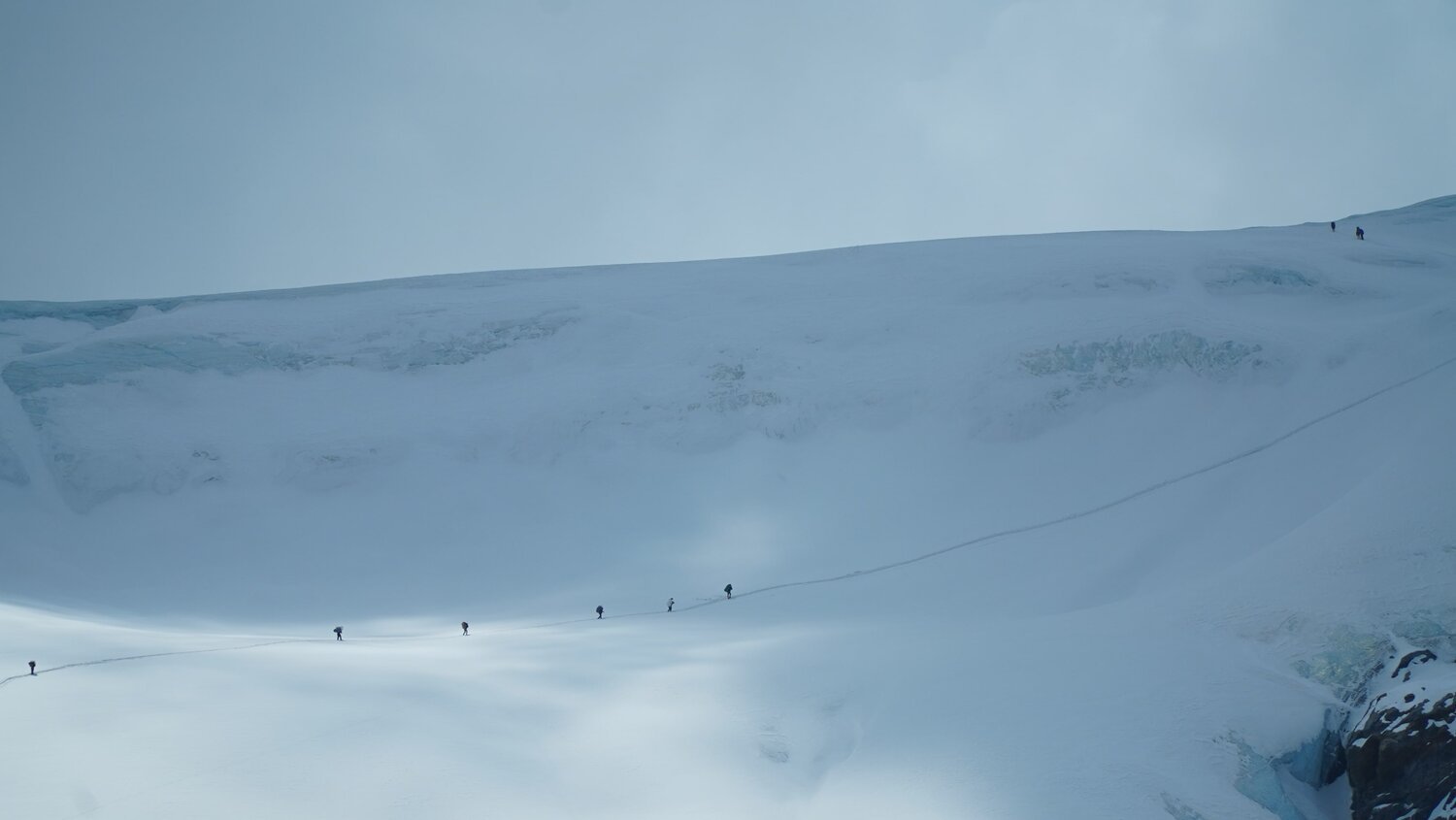
This period is fully dedicated to the ascent and descent of Mount Baruntse (7,129m). During these days, you’ll gradually move up from Base Camp (5,400m) to establish higher camps — Camp I (6,100m) and Camp II (6,400m) — before making the final summit push.
The route to the summit involves climbing snow slopes of 45–50 degrees, traversing ice ridges, and negotiating a few technical sections that require the use of fixed ropes. Your experienced climbing guide and Sherpa team will ensure all ropes and safety equipment are properly set for a secure ascent.
After a careful and strategic acclimatization process, you’ll make your summit attempt on a clear weather window. Reaching the summit of Baruntse (7,129m) rewards you with breathtaking 360° views of the world’s highest peaks — Everest, Lhotse, Makalu, Cho Oyu, and Kanchenjunga — along with the surrounding glacial landscapes.
After spending some memorable moments at the top, descend safely back to Base Camp, where you’ll celebrate your successful climb with the team.
Overnight stays at tented camps during the climbing period.
After successfully completing the climb and celebrating at Base Camp, it’s time to begin your return journey. Following breakfast, start descending from Baruntse Base Camp (5,400m) along the familiar trail leading back through the glacial valley. The descent offers another chance to enjoy the magnificent scenery of Peak 41, Chamlang, and Mera Peak from different perspectives.
As you gradually lose altitude, you’ll feel the air getting thicker and the surroundings greener. Continue trekking through rocky and alpine terrain until you reach Khamedingma, where you’ll set up camp for the night. This is a great place to rest and reflect on your incredible summit achievement.
Overnight stay at a tented camp in Khamedingma.
After breakfast, continue your journey back through the Hinku Valley, retracing the trail toward Thangnak. The route gradually descends along the river and passes through beautiful alpine meadows and rocky landscapes, with panoramic views of Mera Peak and the surrounding Himalayan ridges.
You’ll enjoy the easier downhill walk and the refreshing mountain air as you move back into lower elevations. Along the way, you may encounter yak herders and small settlements that add a touch of local culture to the return trek.
After a comfortable walk of 5–6 hours, arrive at Thangnak (4,350m) and settle in for the evening. Take this time to relax and enjoy a well-deserved rest after your successful expedition.
Overnight stay at a lodge in Thangnak.
After an early breakfast, begin your trek from Thangnak, gradually ascending toward Chatrabu. The trail follows the beautiful Hinku Valley, offering stunning views of Mera Peak, Kusum Kanguru, and other surrounding Himalayan summits.
The route includes a steady climb through alpine terrain, crossing streams and open ridges with clear mountain air and breathtaking scenery. As you approach Chatrabu, the landscape opens up, providing a sweeping view of the distant hills and valleys below.
Upon arrival, check in at your lodge and enjoy a warm meal. This is your last night in the higher Himalayan region before descending toward Lukla.
Overnight stay at a lodge in Chatrabu.
Today marks the final day of trekking on your Baruntse Expedition journey. After breakfast, begin your descent from Chatrabu toward Lukla, retracing your steps through beautiful rhododendron and pine forests. The trail crosses several small streams and offers wonderful views of the surrounding mountains and valleys.
As you lose altitude, the air becomes warmer and the greenery thicker, signaling your return to lower elevations. After 5–6 hours of trekking, you’ll arrive at Lukla, where you can finally relax and celebrate the completion of your incredible climbing adventure with your team.
In the evening, enjoy a farewell dinner and reflect on the unforgettable experiences and achievements of your Baruntse Peak Expedition.
Overnight stay at a lodge in Lukla.
Early in the morning, take a scenic flight from Lukla to Kathmandu, enjoying one last aerial view of the majestic Himalayan peaks you recently explored. Upon arrival at Tribhuvan International Airport, our representative will transfer you to your hotel in the city.
After checking in, you can spend the rest of the day relaxing, enjoying a hot shower, or exploring Kathmandu’s vibrant streets and local markets. In the evening, a special farewell dinner will be organized to celebrate the successful completion of your Baruntse Peak Expedition with your climbing team and guides.
Overnight stay at a hotel in Kathmandu.
Today is a well-deserved leisure day in Kathmandu after your long and successful expedition. You can spend the day relaxing at your hotel, enjoying local cuisine, or exploring some of Kathmandu’s UNESCO World Heritage Sites such as Pashupatinath Temple, Boudhanath Stupa, Swayambhunath (Monkey Temple), and Kathmandu Durbar Square.
It’s also a perfect time for souvenir shopping in Thamel, where you can find handicrafts, trekking gear, and traditional Nepali art. If you wish, we can arrange a short guided city tour or a relaxing spa session to unwind.
In the evening, enjoy a peaceful rest and reflect on your unforgettable Mount Baruntse adventure.
Overnight stay at a hotel in Kathmandu.
Your unforgettable Baruntse Peak Expedition comes to an end today. After breakfast, our representative will pick you up from the hotel and transfer you to Tribhuvan International Airport for your final departure.
We’ll bid you a warm farewell and wish you a safe journey home, filled with incredible memories of your Himalayan adventure and the proud achievement of summiting Mount Baruntse (7,129m).
Namaste and hope to see you again for another adventure in Nepal!
Includes/Excludes
Cost Includes
- Airport transportation as per your arrival date to join the Baruntse expedition
- 3-star category hotel accommodation in Kathmandu on B/B plan
- Kathmandu to Lukla to Kathmandu airfare as per the expedition itinerary.
- Baruntse summiteers climbing Sherpa (01 Sherpa: 02 climbers’ ratio)
- Group climbing gears like rope, ice bar, etc, for the Baruntse expedition.
- Baruntse expedition peak climbing permit and all government taxes.
- National park and conservation area permit fee for the expedition.
- Full board high altitude meal while trekking to base camp and climbing Baruntse
- Liaison officer with all his expenses while on the Baruntse climbing expedition.
- Expedition Manager, Expedition cook, support crew and porters with their types of equipment, daily wages, food, insurance, etc.
- All camping gear, including base camp tents, dining tent with table and chair, kitchen and toilet tent, etc
- Mountain Hardware high altitude tents while climbing the Baruntse expedition
- Emergency Oxygen with a regulator and mask while on the Baruntse expedition.
- EPI gas and burner for the high climb.
- Gamow bag / Portable Altitude Chamber (PAC), all necessary climbing hardware, group equipment
- Satellite Phone and Walkie-Talkie in case of emergency.
Cost Excludes
- Medical and personal high-risk insurance
- Nepal entry visa fee (easy to obtain the visa on arrival at Tribhuvan International Airport – Kathmandu). $30 USD for 15-day, $50 USD for 30 Days, and $125 USD for 90 Days visa.
- The main meal in Kathmandu
- Summit bonus $500.00USD minimum for each climbing Sherpa guide.
- Personal equipment and climbing gears.
- International airfare and airport tax
- Applicable permit fees and custom charge for Sat phone, communication equipment and commercial filming while on Baruntse expedition.
FAQs
The Mount Baruntse Expedition is considered a technically challenging climb suitable for experienced mountaineers. It involves steep snow slopes, crevasses, and ice ridges, requiring good physical fitness and prior experience on 6,000-meter peaks. With proper acclimatization and guidance from professional climbing Sherpas, the ascent is safe and rewarding.
The best time to climb Mount Baruntse is during spring (April–May) and autumn (September–November). These seasons offer stable weather, clear skies, and favorable climbing conditions, providing the best visibility and safer routes for summit attempts.
Yes, climbers should have previous high-altitude experience, preferably having summited a 6,000m peak such as Mera Peak or Island Peak. The Baruntse climb involves technical ice and snow climbing, so knowledge of rope handling, crampon use, and glacier travel is essential.
To climb Mount Baruntse, you need several permits including the Baruntse Peak Climbing Permit issued by the Nepal Mountaineering Association (NMA), the Makalu Barun National Park entry permit, and a local area (Pasang Lhamu Rural Municipality) permit. Your trekking agency will handle all necessary documentation.
From the summit of Mount Baruntse (7,129m), climbers are rewarded with breathtaking views of the world’s highest peaks, including Mount Everest (8,848.86m), Lhotse (8,516m), Makalu (8,463m), Cho Oyu (8,200m), and Kanchenjunga (8,586m), along with numerous other Himalayan giants.


