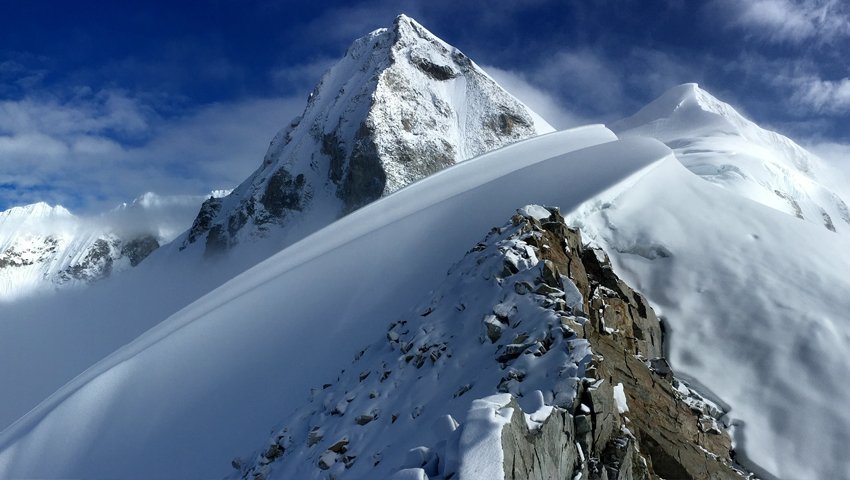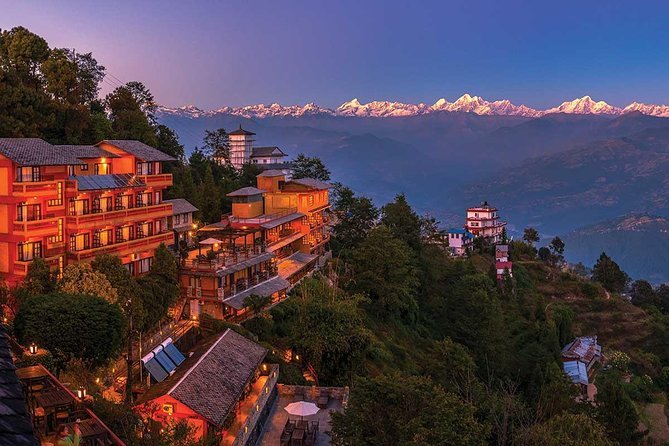
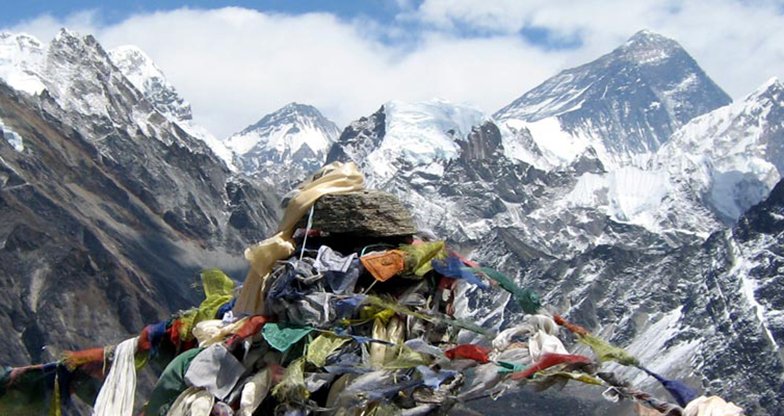
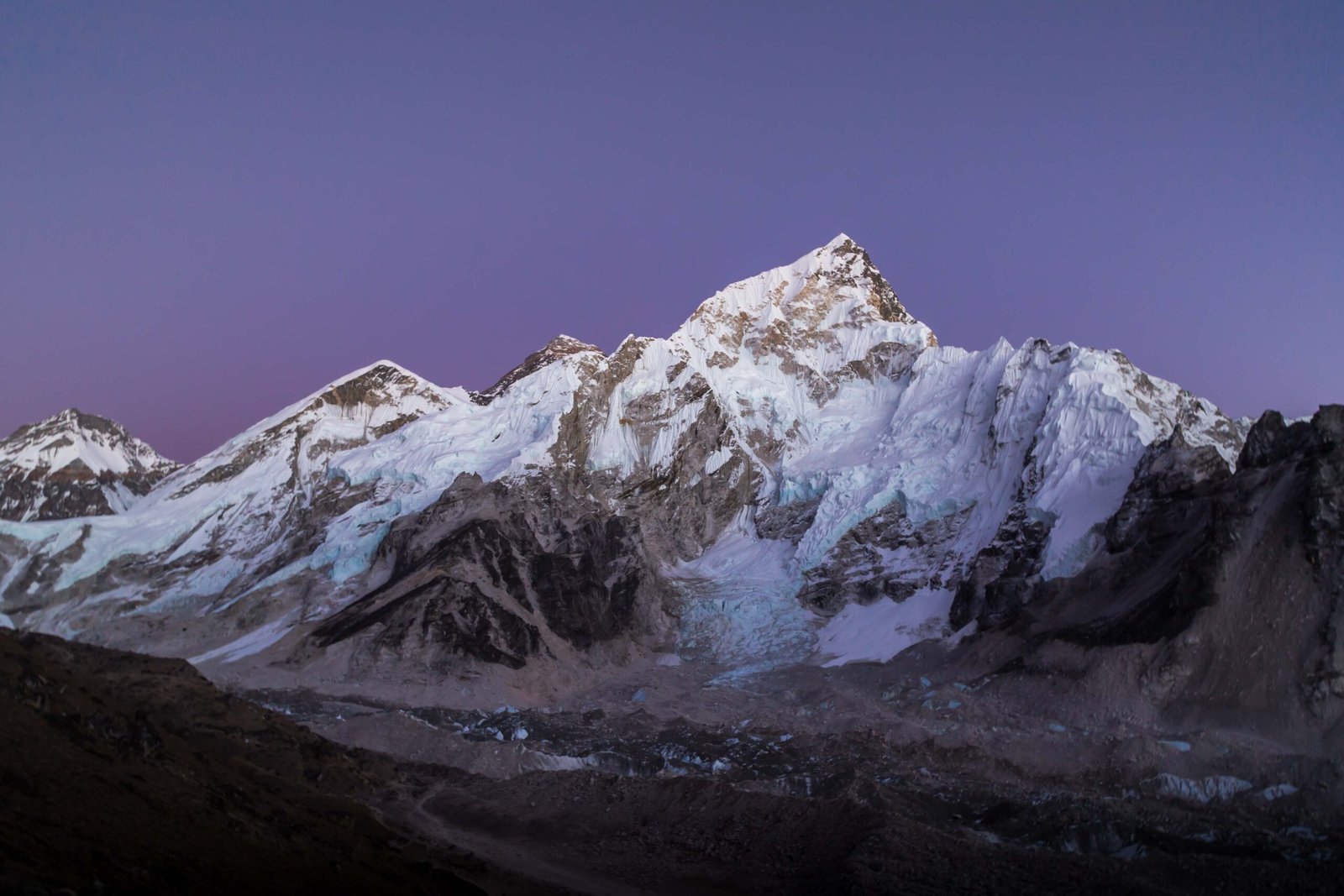
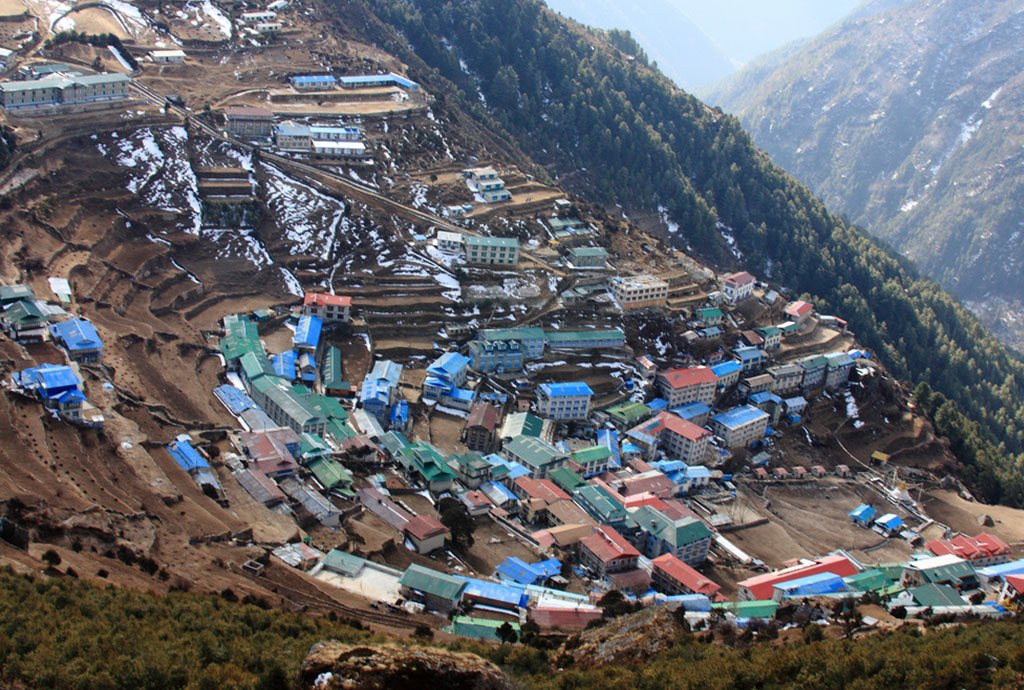
The Everest 3 High Pass Trek is one of Nepal’s most thrilling and rewarding trekking adventures, taking you on a less-traveled route to Everest Base Camp. This challenging journey offers breathtaking panoramic views of the world’s highest peaks, including Mount Everest (8,848m), Lhotse, Ama Dablam, Nuptse, Thamserku, and many more majestic mountains of the Khumbu region.
Known as one of the most adventurous treks in the Everest region, the Three High Passes Trek is perfect for experienced trekkers seeking a once-in-a-lifetime Himalayan challenge. The trek crosses three spectacular high mountain passes — Renjo La (5,388m), Cho La (5,380m), and Kongma La (5,535m) — each offering breathtaking scenery and unforgettable experiences. Along the way, trekkers also climb three stunning viewpoints: Gokyo Ri (5,483m), Kalapatthar (5,545m), and Chhukung Ri (5,550m) for incredible views of Mount Everest and the surrounding peaks.
The Everest Three High Pass Trek combines adventure, natural beauty, and Sherpa culture in one unforgettable journey. It’s a true test of endurance and spirit, offering some of the best Himalayan landscapes in Nepal for those ready to explore the wild side of the Everest region.
Trip Info
-
Hotel/Tea houses.
-
Autumn/ Spring
-
5564m
-
Fly/Car/Jeep/ Bus
-
5/6 hours
Overview
The Everest High Pass Trek, also known as the Three Pass Trek, is one of Nepal’s most thrilling and scenic adventures. This high-altitude trek crosses Kongma La (5,535m), Cho La (5,420m), and Renjo La (5,360m) — three breathtaking passes that offer stunning views of Mount Everest, Lhotse, Makalu, and Cho Oyu.
Perfect for adventure lovers, this challenging trek requires no technical climbing skills but rewards you with unforgettable Himalayan landscapes, Sherpa culture, and a true sense of achievement. If you’re seeking the ultimate trekking experience in the Everest region, the Three High Pass Trek is your perfect choice.
Trip Highlights
- Experience the best highlights of the Everest region on this challenging trek, crossing three pass crossing three passes over 5000m.
- Ascend Kala Pattar & Gokyo Ri to gaze upon the world's highest mountains from brilliant vantage points.
- UNESCO World Heritage Sites.
- Many high pass were spotted with chortens, prayer flags, and stupas.
- Famous Sherpa town in the Everest region - Namche Bazaar.
- Stunning views from Gokyo Ri.
- Highest glacier on Earth- Khumbu Glacier (4900m).
- Exploration of the Himalayan Sherpa Community.
Itinerary
Welcome to Kathmandu, the vibrant capital of Nepal, nestled in the Kathmandu Valley. Upon arrival at Tribhuvan International Airport, you will be warmly received by your guide and transferred to your hotel in Thamel, the heart of the city known for its lively streets, shops, and restaurants.
Take some time to rest and recover from your journey. Depending on your arrival time, you can enjoy a leisurely walk around Thamel, exploring local handicrafts, souvenirs, and quaint cafes, giving you a first taste of Nepalese culture and hospitality.
Today is a relaxing day in Kathmandu, allowing you to adjust to the city and prepare for the upcoming trek. You can spend the morning strolling through the bustling streets of Thamel, picking up any last-minute trekking gear, snacks, or souvenirs.
In the afternoon, you will have a pre-trek briefing with your guide. This session will cover important details about the trek, including the route, altitude acclimatization, safety tips, and packing essentials. Your guide will also help you check your trekking gear and ensure everything is ready for the journey ahead.
Take some time to enjoy a traditional Nepalese meal and soak in the lively atmosphere of the city. Overnight stay at your hotel in Kathmandu, resting and preparing for the adventure.
Today marks the start of your Everest adventure. After an early breakfast, you will take a scenic flight from Kathmandu to Lukla, one of the most thrilling airport landings in the world, surrounded by towering Himalayan peaks. Upon arrival at Lukla Airport (2,860 m), you’ll meet your trekking team and begin your journey on foot.
The trek to Phakding (2,610 m) is a gentle introduction to the trail, walking along the Dudh Koshi River through charming Sherpa villages, suspension bridges, and pine forests. This 3–4 hour trek helps your body start acclimatizing to the altitude while offering your first breathtaking Himalayan views.
Today, the trek becomes more exciting as you ascend to the famous Sherpa town of Namche Bazaar (3,440 m). The trail gradually climbs along the Dudh Koshi River, crossing several suspension bridges and passing through charming villages like Monjo. You’ll enter the Sagarmatha National Park, a UNESCO World Heritage site, where you may catch your first glimpses of Himalayan peaks and Himalayan wildlife such as yaks and colorful birds.
The trek to Namche takes about 5–6 hours, with moderate to steep climbs, giving you a taste of high-altitude trekking. Namche Bazaar is the main hub of the Khumbu region, bustling with teahouses, shops, and cafes. Spend the evening exploring the town, acclimatizing to the altitude, and enjoying your first panoramic Himalayan views.
Today is an important acclimatization day to help your body adjust to the higher altitude. Spend the morning exploring Namche Bazaar (3,440 m), the bustling Sherpa town known as the gateway to Everest. Wander through its lively streets, visit local shops, and experience the Sherpa culture.
In the afternoon, your guide may take you on a short hike to the Everest View Hotel (3,880 m) or nearby hills. From here, enjoy breathtaking panoramic views of Everest, Lhotse, and Ama Dablam. This gentle hike not only aids in acclimatization but also provides excellent photo opportunities.
Today’s trek takes you deeper into the Khumbu region, leaving the bustling town of Namche Bazaar (3,440 m) behind. The trail gradually ascends through forests of pine and rhododendron, crossing small streams and charming Sherpa villages along the way.
You’ll pass through Khumjung and Kunde, where you can see traditional monasteries and the famous Khumjung School, supported by Sir Edmund Hillary. Continuing the gentle climb, you reach the serene village of Thame (3,800 m), a quiet settlement known for its rich Sherpa culture and stunning Himalayan surroundings.
Today, the trek takes you further along the high Khumbu trails, moving from Thame (3,800 m) to the remote village of Lungden (4,200 m). The path gradually ascends through rugged landscapes, past yak herding areas, terraced fields, and traditional Sherpa settlements.
Along the way, you’ll experience spectacular views of the surrounding Himalayan peaks, including towering mountains like Ama Dablam. This section of the trek is less crowded, offering a peaceful immersion into Sherpa life and the natural beauty of the region.
Today is one of the most challenging yet rewarding days of the trek. You will cross the famous Cho La Pass (5,420 m), connecting the Khumbu region to the Gokyo Valley. The trek starts from Lungden (4,200 m) with a steady ascent through rocky trails and glacial moraines, offering dramatic views of Cho Oyu, Taboche, and Ama Dablam.
Crossing the pass requires careful pacing, as the altitude and rugged terrain can be demanding. Once over the pass, the trail descends into the Gokyo Valley, passing Gokyo Ri and the stunning Gokyo Lakes, known for their emerald blue waters surrounded by towering peaks.
Today is an acclimatization and exploration day in the breathtaking Gokyo Valley (4,750 m). The highlight is an early morning hike to Gokyo Ri (5,360 m) to witness a spectacular Himalayan sunrise. From the summit, enjoy panoramic views of four 8,000-meter peaks – Everest, Lhotse, Makalu, and Cho Oyu – along with the shimmering turquoise Gokyo Lakes below.
The hike takes about 3–4 hours round-trip, offering an excellent opportunity to adjust to the altitude while capturing stunning photographs and soaking in the serene high-mountain atmosphere. Spend the rest of the day resting in Gokyo village, exploring its peaceful surroundings and preparing for the trek ahead.
Today, you continue your journey through the stunning Gokyo Valley toward Thangnak (4,700 m). The trail gradually ascends along glacial paths, passing moraines, icefalls, and high-altitude lakes, offering dramatic views of peaks like Cho Oyu, Gyachung Kang, and Taboche.
This section of the trek is quieter and less crowded, allowing for a peaceful immersion in the high Himalayas. Thangnak is a small settlement that serves as a base for trekkers crossing toward the Renjo La Pass or heading back to Gokyo.
Today is one of the most challenging and thrilling days of the trek as you cross the Cho La Pass (5,420 m), a high Himalayan pass connecting the Gokyo Valley to the Khumbu region. The trek begins from Thangnak (4,700 m) with a steady ascent along rocky trails and glacial moraines. The terrain is rugged, and the altitude demands careful pacing and frequent rest stops.
Once you reach the summit of Cho La Pass, you will be rewarded with panoramic views of Cho Oyu, Makalu, and surrounding peaks, offering one of the most spectacular high-altitude vistas on the trek. After taking in the scenery, the trail descends toward Dzongla (4,830 m), a small settlement where trekkers rest before continuing toward Everest Base Camp.
Today, the trek takes you further into the high Khumbu region, leaving Dzongla (4,830 m) behind as you make your way to Lobuche (4,910 m). The trail gradually ascends along rocky paths, glacial moraines, and scattered settlements, offering stunning views of Everest, Lhotse, and Nuptse.
The trek takes about 4–5 hours, giving you time to acclimatize further to the higher altitude. Along the way, you’ll encounter stone cairns, prayer flags, and yak herders, highlighting the unique culture and resilience of the Sherpa people.
Today is the highlight of your Everest 3 High Pass trek. You begin with a short trek from Lobuche (4,910 m) to Gorak Shep (5,170 m), a small settlement near Everest Base Camp. The trail is rocky and gradually ascending, surrounded by dramatic glacial landscapes and towering Himalayan peaks.
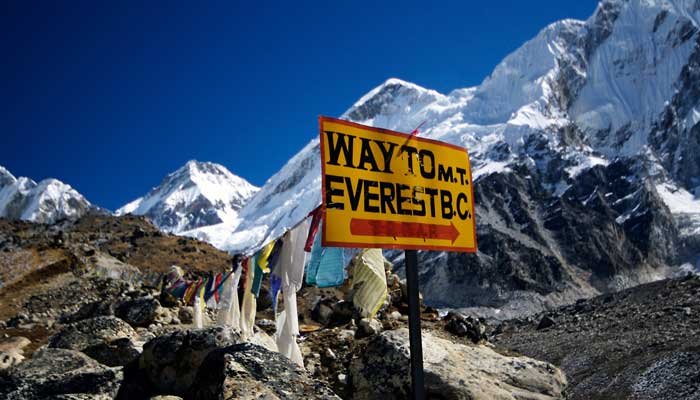
After reaching Gorak Shep, you will continue trekking to the iconic Everest Base Camp (5,364 m). Here, you’ll be rewarded with unforgettable views of the Khumbu Icefall, towering peaks, and the world’s highest mountain – Mount Everest. Spend some time taking photos, soaking in the atmosphere, and appreciating the incredible achievement of being at the foot of the highest mountain on Earth.
Today is a memorable day for spectacular panoramic views of Everest and the surrounding Himalayan peaks. You start with an early morning hike to Kala Patthar (5,545 m) from Gorak Shep, which takes about 3–4 hours one way. The trail is steep but rewarding, offering breathtaking sunrise views over Mount Everest, Lhotse, Nuptse, and Pumori.
After spending time at the summit capturing photos and enjoying the scenery, you descend back to Gorak Shep, have a quick rest, and continue trekking down to Lobuche (4,910 m). This day combines the thrill of high-altitude trekking with unforgettable Himalayan vistas and a sense of accomplishment for reaching such iconic viewpoints.
Today is one of the most challenging and spectacular days of the trek as you cross the Kongma La Pass (5,535 m), one of the three high passes of the Everest 3 High Pass Trek. The journey begins from Lobuche (4,910 m), gradually ascending through rocky trails, glacial moraines, and high-altitude landscapes.
The Kongma La Pass offers breathtaking panoramic views of Ama Dablam, Lhotse, Makalu, and Everest, making the effort to cross it truly worthwhile. After summiting the pass, the trail descends toward the Chhukung Valley (4,730 m), a peaceful settlement nestled amid dramatic peaks and glaciers.
Today offers an optional but rewarding hike to either Chhukung Ri (5,550 m) or Island Peak Base Camp (5,200 m), depending on your energy and preference. Starting from Chhukung (4,730 m), the trail ascends steadily, passing rocky terrain, glacial streams, and high-altitude moraine fields.
Hiking to Chhukung Ri provides panoramic views of Everest, Lhotse, Nuptse, and Ama Dablam, making it a photographer’s paradise. Alternatively, trekking to Island Peak Base Camp gives you a closer view of the majestic Island Peak (Imja Tse), perfect for mountaineers preparing for a summit attempt.
Today, you begin your descent from the high-altitude Chhukung Valley (4,730 m) toward the picturesque village of Pangboche (3,985 m). The trail gradually winds down through glacial moraines, alpine meadows, and scattered Sherpa settlements, offering beautiful views of Ama Dablam and the surrounding peaks along the way.
Pangboche is known for its ancient monastery, one of the oldest in the Khumbu region, providing a glimpse into the spiritual and cultural heritage of the Sherpa people. The trek takes about 5–6 hours, giving you time to enjoy the scenery and rest.
Today, you continue your descent through the Khumbu region, trekking from Pangboche (3,985 m) back to the vibrant town of Namche Bazaar (3,440 m). The trail gradually descends through lush forests of pine and rhododendron, crossing suspension bridges over the Dudh Koshi River and passing charming Sherpa villages along the way.
Namche Bazaar, the main hub of the Khumbu region, offers a chance to restock supplies, enjoy local cuisine, and experience the lively market atmosphere once again. The trek takes approximately 5–6 hours, giving you time to relax and enjoy the stunning Himalayan scenery on your way down.
Today marks the final day of trekking through the Khumbu region as you descend from Namche Bazaar (3,440 m) to Lukla (2,860 m). The trail gradually winds through forests, suspension bridges, and quaint Sherpa villages, with panoramic views of the surrounding Himalayan peaks along the way.
This trek takes approximately 6–7 hours, giving you a sense of accomplishment as you reflect on the incredible journey through high passes, glaciers, and iconic Himalayan landscapes. Upon arrival in Lukla, you’ll celebrate with your trekking team and spend the evening resting and enjoying a warm meal, preparing for your flight back to Kathmandu.
Includes/Excludes
Cost Includes
- Airport picks up and transports by private Car/Jeep.
- Three night’s standard twin sharing Hotel in Kathmandu with breakfast.
- Three meals a day (Breakfast, lunch, and dinner) during the trek.
- Fresh fruit every evening after dinner.
- Trekking Lodge (Tea House) accommodation during the trek.
- All necessary paperwork including Sagarmatha National Park Entry Permit & Khumbu Pasang Lhamu Rural Municipality fees.
- Kathmandu-Lukla-Kathmandu (Ramechhap -Lukla- Ramechhap) flight with private airport transfer and domestic airport tax.
- A highly experienced, helpful, knowledgeable, friendly, English speaking well trained.
- Government license holder guide with all his salary, food, drinks, accommodation, transport and insurance.
- Strong, helpful Sherpa porters with proper safety equipment and walking equipment, his salary.
- food, accommodation, and insurance (one porter for two people).
- Comprehensive medical supplies (first aid kit will be available).
- Arrangement of emergency helicopter service (paid by your Travel Insurance Company).
- Government taxes and official expenses.
- Trip achievement certificate after successful trip completion.
- will ensure your health during the trek.
- Assistant guide for groups of 7 or more people.
Cost Excludes
- Meals whilst you are in Kathmandu - lunch and dinner.
- Nepal entry visa fee (easy to obtain the visa on arrival at Tribhuvan International Airport.
- Kathmandu). $30 USD for a 15-day, $50 USD for a 30-day visa, and $125 USD for 90 90-day visa.
- Personal travel and medical insurance.
- International airfare.
- Your personal expenses.
- All the alcoholic and nonalcoholic, soup, tea, coffee, hot chocolate, cocoa.
- Mineral water, extra food, cold and hot drinks on trek ( i.e. those you choose to purchase along the way and during evenings in the tea houses)
- All desserts & sweet things like chocolate, cake, pie, pudding.
- Hot shower and battery charging at the tea houses.
- Tips for the guide, porter, and driver (tipping is expected).
- Excess baggage of more than 10 kg for the Lukla flight.
FAQs
The Everest Three High Pass Trek is one of Nepal’s most thrilling and challenging trekking adventures. It crosses three iconic Himalayan passes — Kongma La (5535m), Cho La (5420m), and Renjo La (5360m) — offering panoramic views of Mount Everest, Lhotse, Makalu, and Cho Oyu. This trek combines the best of Everest Base Camp, Gokyo Lakes, and remote mountain valleys in a single route, ideal for true adventure seekers.
This trek is classified as challenging due to high-altitude crossings and long trekking days. It requires good physical fitness and some prior trekking experience. However, with proper acclimatization, guidance, and preparation, it is achievable for fit and determined trekkers.
The best seasons for the Everest Three High Pass Trek are spring (March–May) and autumn (September–November). During these months, the weather is stable, the skies are clear, and the mountain views are at their best. Winter treks are also possible for experienced trekkers who can handle cold conditions.
Yes. You need the following trekking permits:
Sagarmatha National Park Entry Permit
Khumbu Pasang Lhamu Rural Municipality Permit
If you include Island Peak climbing, you will also need a Nepal Mountaineering Association (NMA) Climbing Permit.
Yes, altitude sickness is a serious concern since you’ll be trekking above 5,000 meters multiple times. Our itineraries include acclimatization days and gradual ascents to help your body adjust. Staying hydrated, eating well, and listening to your guide’s advice are crucial for safety.
Yes, hiring a licensed trekking guide and porter is highly recommended for safety, navigation, and logistics. Guides provide valuable insights into the region’s culture and geography, while porters help carry your gear, allowing you to enjoy the journey comfortably.
While beginners can attempt this trek with strong physical fitness and preparation, it’s best suited for experienced trekkers. If you’re new to high-altitude trekking, starting with easier treks like Everest Base Camp or Annapurna Circuit is advisable.
You’ll stay in teahouses and lodges run by local Sherpa families. Rooms are basic but comfortable, with cozy beds and blankets. Meals include Nepali, Tibetan, and international dishes, such as dal bhat, noodles, soups, pancakes, and hot drinks — perfect for high-altitude energy.