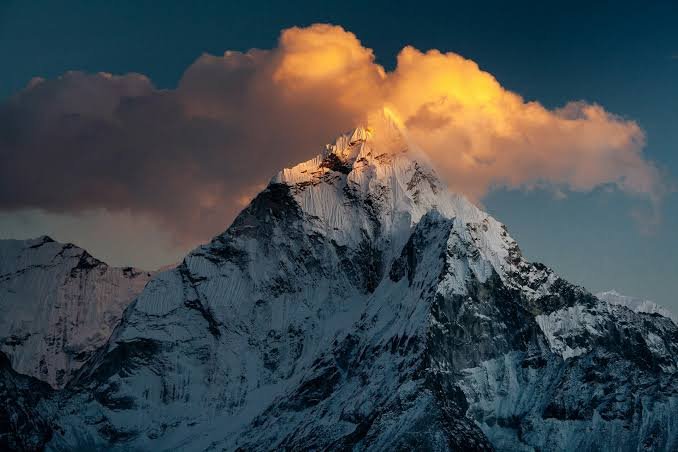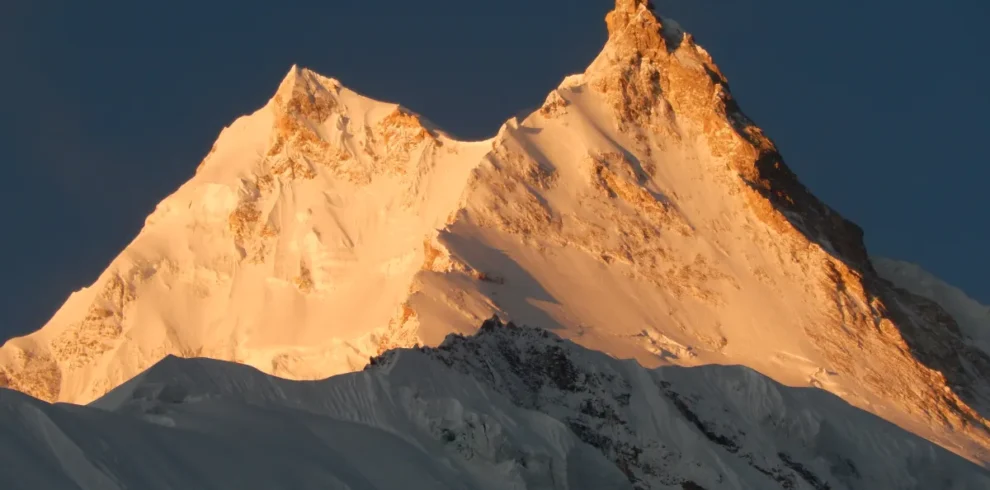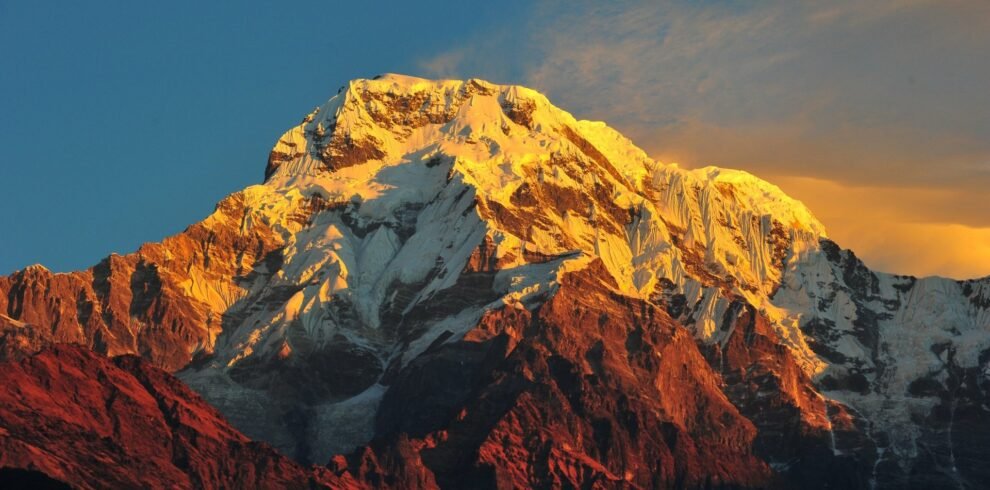
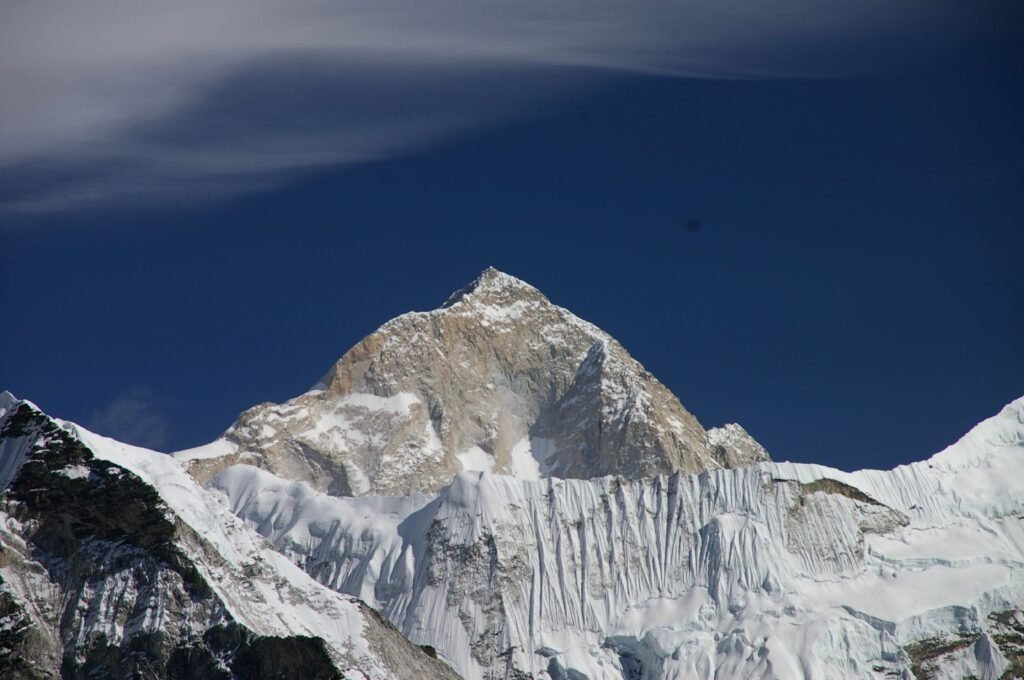
The Makalu Expedition is a challenging and rewarding Himalayan adventure to the world’s fifth-highest mountain, Mount Makalu (8,485m), located in the eastern part of Nepal within the Makalu-Barun National Park and Conservation Area. Known for its isolated location, steep pyramid-shaped summit, and technical climbing sections, Makalu is considered one of the most demanding 8000-meter peaks after Everest.
Trip Info
-
8,485 meters (27,838 feet)
-
Hotels in Kathmandu, teahouses during trekking, and organized tented camps at Base Camp and higher camps.
-
Spring: April–May (Main climbing season) Autumn: September–October (Less common)
-
Domestic flight/drive from Kathmandu to Tumlingtar and onward jeep transfer to the Makalu region. After the expedition, return by the same route back to Kathmandu.
-
5-6 Hours
Overview
The expedition follows a remote and spectacular route through the beautiful Makalu region, passing through traditional Sherpa villages, lush forests, high alpine valleys, glaciers, and the dramatic Makalu Base Camp before attempting the summit. The standard climbing route is the Southeast Ridge, which requires excellent physical fitness, advanced mountaineering skills, and experience with high-altitude climbing, including glacier travel, fixed ropes, and extreme weather conditions.
Trip Highlights
- Climb Mount Makalu (8,485m) – The world’s fifth-highest mountain
- Challenge one of Nepal’s most technical 8000m peaks
- Trek through the remote and beautiful Makalu-Barun National Park
- Experience a full Himalayan expedition with advanced base camp logistics
- Follow the classic Southeast Ridge climbing route
- Explore untouched landscapes, glaciers, valleys, and high mountain wilderness
- Experience authentic Sherpa culture and remote Himalayan villages
Itinerary
Upon your arrival at Tribhuvan International Airport, Kathmandu, our representative will welcome you and assist with your transfer to the hotel. After check-in, you will have time to rest and recover from your journey. In the evening, a pre-expedition briefing will be organized where you will meet your expedition leader, check climbing equipment, and receive important information about the upcoming Makalu Expedition. Overnight stay at the hotel in Kathmandu.
These two days are reserved for essential expedition preparation in Kathmandu. Our team will complete all necessary Makalu Expedition permits and official documentation while the expedition leader conducts a detailed briefing about the climbing route, safety procedures, acclimatization plan, and expedition schedule.
You will also have a complete gear inspection to ensure all required mountaineering equipment is ready for the climb. Any missing or additional equipment can be purchased or rented from Kathmandu’s trekking shops. These days also provide time to explore the city, exchange currency, and make final preparations before heading toward the Makalu region.
After breakfast, we take a scenic domestic flight from Kathmandu to Tumlingtar, enjoying breathtaking views of the eastern Himalayan ranges, including glimpses of Makalu and surrounding peaks on a clear day. Upon arrival at Tumlingtar, we begin a scenic drive through beautiful hills, villages, and terraced landscapes toward Num, the starting point of the Makalu trekking route.
Num is a charming hillside village offering the first views of the remote Makalu region. We prepare for the upcoming trek and enjoy the peaceful mountain surroundings.
After breakfast, we begin our trek from Num to Seduwa, entering the remote and beautiful Makalu-Barun National Park. The trail descends steeply through forests and terraced fields before crossing the Arun River via a suspension bridge. From the river, we climb gradually through lush forests and local settlements to reach Seduwa, a traditional village and an important gateway to the Makalu region.
Seduwa offers beautiful views of surrounding hills and provides a perfect place for rest and acclimatization before continuing deeper into the Himalayas.
Today, we continue our trek from Seduwa to Tashigaon, the last permanent settlement on the Makalu trekking route. The trail passes through beautiful forests, terraced farmlands, and traditional Sherpa villages while gradually gaining elevation. Along the way, we enjoy views of the surrounding hills and experience the unique culture and lifestyle of the local mountain communities.
Tashigaon is a picturesque Sherpa village located on a hillside and serves as the final village before entering the higher alpine region toward Makalu Base Camp. We spend the night preparing for the more challenging sections ahead.
Today is a dedicated rest and acclimatization day at Tashigaon to help your body adjust to the increasing altitude. We take short walks around the village, explore the local surroundings, and enjoy the beautiful Himalayan landscapes while allowing proper recovery before continuing toward higher elevations.
The expedition team will also review trekking conditions, check personal equipment, and provide guidance on altitude adaptation and preparation for the upcoming challenging sections of the Makalu approach.
Today, we begin a challenging ascent from Tashigaon to Khongma Danda, gaining significant altitude as we move deeper into the Makalu region. The trail climbs steeply through dense rhododendron and pine forests, with several stone steps and uphill sections. As we ascend, the landscape gradually changes from lush forests to alpine terrain, offering stunning views of the surrounding Himalayan peaks.
Upon reaching Khongma Danda, we enjoy magnificent mountain scenery and prepare for the upcoming high-altitude crossings toward Makalu Base Camp.
Today, we cross one of the most scenic and challenging sections of the Makalu approach trail. The trek begins with an ascent from Khongma Danda toward the high mountain passes, including the famous Shipton La Pass (4,200m). The trail crosses rugged terrain, alpine landscapes, and beautiful ridges while offering spectacular views of the surrounding Himalayan peaks.
After crossing the pass, we descend through beautiful rhododendron and juniper forests toward Dobate, a peaceful campsite surrounded by mountain wilderness. This section provides a true remote Himalayan trekking experience as we continue toward Makalu Base Camp.
Today, we continue our trek from Dobate to Yangle Kharka, following the scenic trail deeper into the Makalu-Barun Valley. The route descends and ascends through beautiful alpine forests, crossing streams and rocky sections while gradually approaching the higher Himalayan landscape.
Along the way, we enjoy breathtaking views of towering cliffs, glaciers, and surrounding peaks as the trail follows the remote wilderness of the Makalu region. Yangle Kharka is a peaceful grazing area located beside the Barun River, offering a perfect resting point before heading toward Makalu Base Camp.
Today, we continue our journey deeper into the remote Makalu-Barun Valley as we trek from Yangle Kharka to Langmale Kharka. The trail gradually gains altitude, following the Barun River through dramatic Himalayan landscapes filled with rocky cliffs, alpine meadows, glaciers, and breathtaking views of surrounding peaks.
As we approach higher elevations, the vegetation becomes thinner and the landscape transforms into a rugged alpine environment. Langmale Kharka is an important acclimatization stop before reaching Makalu Base Camp, offering spectacular views of the Himalayan wilderness.
Today marks an exciting milestone as we trek from Langmale Kharka to Makalu Lower Base Camp. The trail continues through the spectacular upper Barun Valley, passing through rugged alpine terrain with breathtaking views of snow-covered peaks, glaciers, and the impressive south face of Mount Makalu (8,485m).
As we approach the base camp area, the landscape becomes more dramatic, surrounded by towering Himalayan mountains and glacial valleys. Upon arrival at Makalu Lower Base Camp, the expedition team will set up camp and begin preparations for the upcoming climbing phase.
Today is dedicated to acclimatization and preparation at Makalu Lower Base Camp. After reaching a high altitude, this rest day allows your body to adapt to the thinner air before moving toward higher camps. The expedition team will conduct acclimatization hikes around the base camp area while enjoying incredible views of Mount Makalu, glaciers, and surrounding Himalayan peaks.
The climbing Sherpa team will also organize final equipment checks, review expedition plans, and prepare for the upcoming movement toward the higher camps.
Today, we move from Makalu Lower Base Camp to Makalu Advanced Base Camp (ABC), entering the higher and more technical section of the expedition. The trail crosses rugged glacial terrain, rocky moraines, and high-altitude landscapes beneath the massive south face of Mount Makalu (8,485m).
Upon reaching Makalu Advanced Base Camp, the expedition team will establish a strategic camp for further acclimatization, climbing practice, and preparation for the summit rotation. Climbers will receive final instructions from the expedition leader and Sherpa team regarding rope techniques, safety, and upcoming climbing plans.
This is the main climbing phase of the Makalu Expedition, where climbers begin their ascent from Makalu Advanced Base Camp (5,700m) toward the summit of the world’s fifth-highest mountain. The period includes acclimatization rotations, technical climbing practice, establishing higher camps, and the final summit attempt.
Climbers will move gradually through the established Southeast Ridge route, fixing ropes where required and carrying essential equipment to higher camps:
- Camp I (around 6,400m) – Crossing glacier sections and gaining altitude
- Camp II (around 6,800m) – Technical climbing and acclimatization rotation
- Camp III (around 7,400m) – High-altitude preparation
- Camp IV / High Camp (around 7,900–8,000m) – Final summit preparation
After proper acclimatization and favorable weather conditions, the team will make the summit push to reach the spectacular Makalu Summit (8,485m). Standing on the summit offers incredible panoramic views of Everest, Lhotse, Kanchenjunga, and the surrounding Himalayan ranges.
After a successful summit attempt, climbers will safely descend back to Advanced Base Camp while following strict safety procedures and allowing time for recovery.
Accommodation: Tent Camp (Advanced Base Camp and Higher Camps)
Meals: Breakfast, Lunch, Dinner
Maximum Altitude: 8,485m (Makalu Summit)
Climbing Duration: Approximately 18 Days
Activity: Technical climbing, acclimatization rotations, summit attempt, and descent
Transportation: Climbing on foot with expedition support team.
After completing the Makalu Expedition, today is dedicated to cleaning and packing up the base camp. The expedition team will ensure that all equipment, waste, and temporary structures are removed responsibly according to environmental guidelines before leaving the mountain area.
We then begin our return journey by descending through the Makalu region toward the airstrip at Lukla. From Lukla, we take a scenic domestic flight back to Kathmandu, enjoying final views of the Himalayan landscapes. Upon arrival in Kathmandu, you will be transferred to your hotel for rest and recovery.
Today is a free and relaxing day in Kathmandu after the successful completion of the Makalu Expedition. You can rest at the hotel, recover from the journey, or explore the cultural and historical attractions of the Kathmandu Valley.
You may visit UNESCO World Heritage Sites, enjoy local cuisine, shop for souvenirs in Thamel, or spend time with the expedition team sharing memorable experiences from the Himalayan adventure. In the evening, a farewell dinner can be arranged to celebrate the successful expedition.
Today marks the end of your unforgettable Makalu Expedition journey in Nepal. After breakfast, our representative will transfer you to Tribhuvan International Airport, Kathmandu according to your flight schedule for your onward journey.
We bid farewell with wonderful memories of the Himalayas, the successful expedition experience, and the incredible adventure of climbing Mount Makalu (8,485m). We hope to welcome you again for another Himalayan adventure in the future.
Includes/Excludes
Cost Includes
- Airport pick-up and drop-off for both (International and Domestic).
- 04 nights in Kathmandu on BB.
- One welcome and farewell dinner in a typical Nepali restaurant in Kathmandu.
- Domestic flight from Kathmandu to Tumlingtar to Kathmandu with airport tax.
- Land Transportation and Cargo for our overall expedition crew.
- All necessary permits for Makalu expedition.
- Summit Route Fixing Charge.
- Garbage Management and Disposal Fees.
- One official Nepal Government Mountaineering license officer.
- Necessary porters up to the Base Camp and return from the Base Camp.
- Satellite phone is available for emergency use.
- Walkie-Talkie set for communication during the entire expedition.
- Weather forecast during the entire expedition.
- 01 highly experienced veteran climbing guide.
- Backup oxygen bottles and Mask Regulator set (Chargeable as per use).
- First aid medical kit.
- Duffle bags and outdoor cap.
- Applicable Nepal Government Taxes and Company Service Charges.
- Certificate on successful summit.
Cost Excludes
- Nepal entry visa fee (to be applied for 90 days).
- International flights.
- Drone and Special Filming Permit.
- Lunch and Dinner during stay in Kathmandu.
- All personal climbing gear and equipment.
- Insurance minimum US$1,00,000/- coverage for medical and helicopter rescue.
- Summit Bonus: US$ 1400
- Any other services which are not mentioned in the “Service Includes”.
Frequently Asked Questions
The Makalu Expedition (8,485m) is considered one of the most challenging 8000-meter expeditions in the world. It requires excellent physical fitness, strong mental preparation, previous high-altitude climbing experience, and advanced skills in glacier travel, rope techniques, and technical mountaineering.
The best season for the Makalu Expedition is the spring season (March to May) when weather conditions are generally more stable and suitable for summit attempts. Autumn (September to November) is also possible but offers fewer climbing opportunities compared to spring.
Climbers should have prior experience on 6,000m–7,000m peaks and be comfortable with high-altitude environments, ice climbing, fixed ropes, and extreme weather conditions. Previous 8000m expedition experience is highly recommended for a successful Makalu summit attempt.